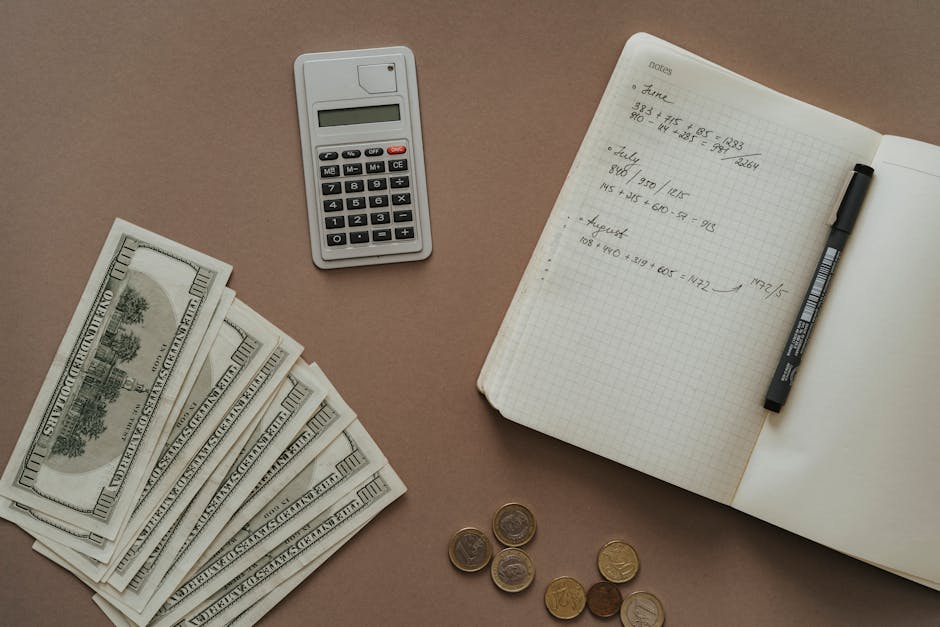
An Introduction to Wedding Planning Without Breaking the Bank
Designing the wedding of your dreams doesn't require starting your marriage in the red. By centering your plans on the elements that truly resonate with you as a couple, you can host a stunning and heartfelt celebration that remains within your financial means. The trick is to establish a firm plan early on and polish your vision as the details come together.
Why Strategic Budgeting Transforms Your Wedding Experience
Approaching your big day with a defined spending limit actually opens the door to more intentionality and creative thinking. Rather than feeling pressured to follow expensive traditions just for the sake of it, you get the opportunity to invest in things that matter—like delicious catering or a world-class photographer—that you and your guests will remember forever.
The Prep Work You Need Before Getting Started
Before you begin signing contracts with vendors, take a moment to look at your available funds. Have an open conversation with your partner about your non-negotiables, your current savings, and any potential help from relatives. Getting a clear view of your financial "home base" prevents a lot of headaches later when it's time to make the big calls.
Your Step-by-Step Strategy for Saving Money
The most effective way to manage a budget-friendly wedding is to break everything down into manageable chunks. Start by identifying your top three priorities and dedicate the largest portion of your budget to those items. After that, look for clever ways to save on the smaller stuff, such as sending out digital invites or choosing local, in-season blooms to maintain a high-end look for less.
Professional Secrets for a High-End Look on a Smaller Budget
To achieve a "luxury" feel, focus on the overall mood rather than the individual price tags. Simple touches like soft, warm lighting, a consistent color palette, and a thoughtful layout can make even the most affordable venue feel incredibly elegant. Always remember that a cohesive design and attention to detail often carry more weight than how much you spent on decor.
Common Financial Pitfalls to Steer Clear Of
It is very easy to let excitement lead to overspending. Keep an eye out for "hidden" expenses that often get overlooked—things like service charges, gratuities, or dress alterations. Additionally, try to avoid the temptation of buying items just because they are discounted; if an item doesn't align with your overall theme, it's essentially money down the drain.
Creative Celebration Styles for Every Couple
There is no rulebook that says you must have a traditional wedding. If a pricey Saturday night ballroom isn't in the cards, why not try a chic Friday night cocktail hour, a cozy Sunday brunch, or a stylish courthouse ceremony followed by a nice dinner? These alternatives often feel much more personal and can lead to massive savings on venue and catering fees.
What to Focus on After Your Foundation is Ready
Once your main budget is set and your venue is locked in, you can start ironing out the finer details. Take another look at your guest list to make sure it fits your spending goals, and begin talking to vendors who offer customizable or tiered packages. Taking these small, steady steps will help you maintain your momentum without feeling buried by the process.
The Ultimate Checklist for a Budget-Friendly Wedding
- Clearly establish the specific atmosphere and goals for your big day.
- Make a list of every available resource, including your time and any DIY help from friends.
- Start with the most basic version of your plan to keep things from getting too complicated.
- Work through your to-do list in a logical order to keep the process moving.
- Focus on the small, thoughtful details that directly improve the guest experience.
- Consistently review your expenses and tweak your plan as new costs pop up.
- Keep a running list of your favorite vendors and money-saving tips to share with others.
FAQ
What does wedding planning on a budget actually mean?
Essentially, it is a smart way to organize your wedding by prioritizing value and using creative alternatives. It’s about making sure every dollar works as hard as possible so you can host a high-quality event without the financial stress.
How long does it take to plan a wedding this way?
The timeline depends entirely on your vision. A small, intimate gathering might only take a few weeks to put together, while a larger DIY-heavy wedding might require several months to a full year of careful coordination.
What are the most common mistakes couples make?
Many people fail to track the "little" costs that add up, wait too long to book affordable vendors, or pick decor that isn't practical for their specific venue. Staying organized with a checklist from the very beginning is the best way to stay on track.
How can I ensure my budget wedding still looks professional?
The secret is in the finishing touches. Make sure your decorations are neatly displayed, your colors are well-coordinated, and every choice feels purposeful. Good lighting and a clean, organized setup are the easiest ways to give your wedding a professional, polished look.
Once you understand these core principles, managing your wedding finances becomes a much more rewarding experience. Start with the essentials, stick to your strategy, and always look for small ways to refine your approach as you get closer to the big day.
Next: Pick one specific category—like your guest list or your floral arrangements—and start your planning there. The more intentional you are with your decisions, the more confident you'll feel throughout the entire process!